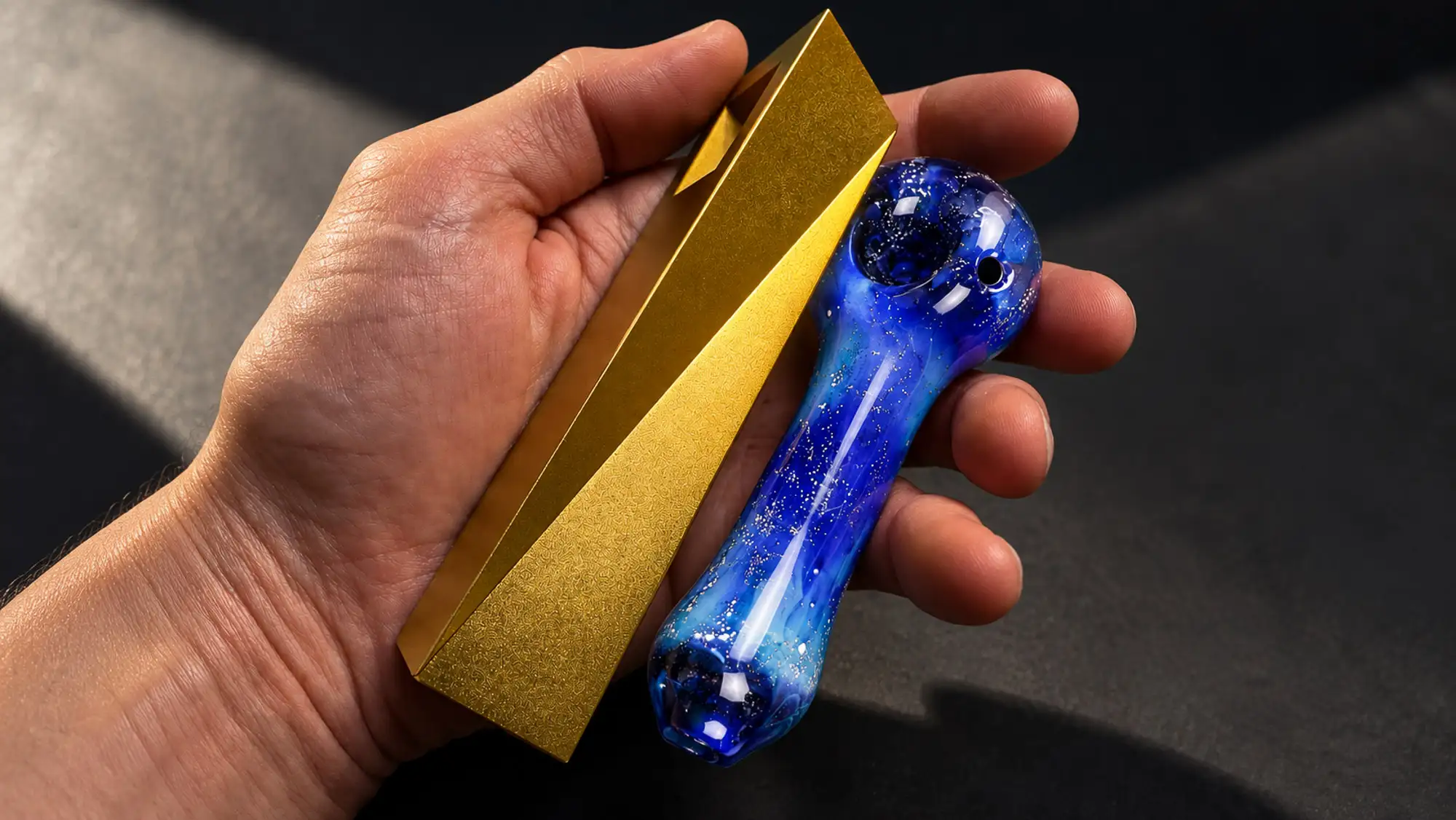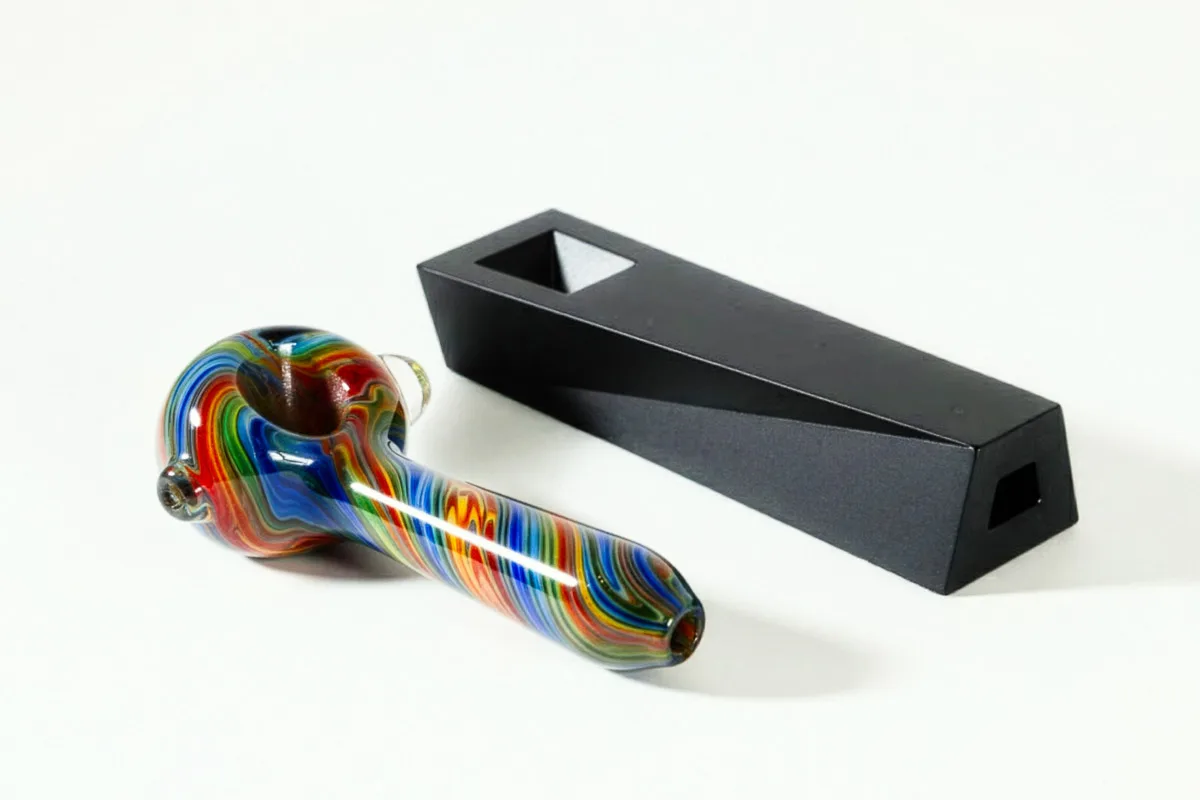
Choosing between a glass pipe and a metal pipe usually comes down to three things that affect everyday use: taste, durability, and cleaning.
This post compares glass vs metal pipes based on what happens after weeks and months of ownership, including how they hold smell, how often they need attention, and what tends to make people replace them.
Quick answer
- Taste stays more consistent when a pipe can be cleaned thoroughly, which is more common with many metal designs.
- Durability favors metal.
- Cleaning is often easier with metal, especially when the interior is accessible.
Glass can still be a good choice if you like the traditional look and do not mind replacing it or living with “clean enough.”
Taste: what changes over time
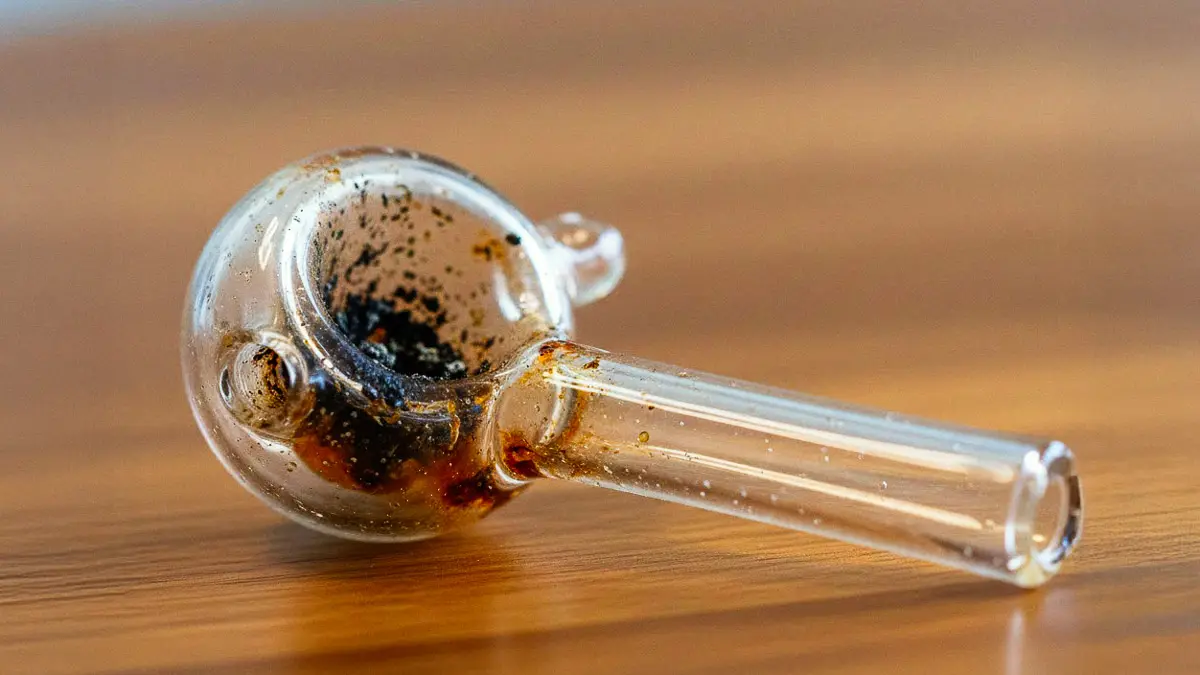
Most taste problems are not caused by the material itself. They are caused by residue that stays inside the pipe.
As residue builds up, it can reintroduce old odor and flavor into each session. That is why a pipe can look clean and still taste stale.
Some designs create dead zones that collect buildup. Here’s a breakdown of residue traps in pipe design and why they matter.
Glass taste over time
Glass often starts out tasting clean, then drifts:
- Residue collects in tight corners, bends, and narrow airflow paths
- The pipe can look clean from the outside while the interior still holds smell
- Over time, stubborn buildup tends to dominate flavor
Metal taste over time
Metal pipes vary by design, but the advantage is often access:
- If the interior can be reached with a brush or cleaning tool, you can remove the residue that drives odor
- If the airflow path is accessible, taste is easier to reset after cleaning
Practical takeaway: If a pipe cannot be cleaned where residue actually sits, taste consistency is hard to maintain.
Durability: what breaks in real life
Glass pipes can break from the kinds of impacts that happen during normal ownership. Sometimes it is a clean break. Often it is a chip or crack that worsens later.
Common break scenarios with glass
- A short fall onto tile, concrete, or the edge of a sink
- Pressure in a bag, drawer, or pocket
- Small chips that later become failures
Why metal usually lasts longer
Metal generally tolerates daily handling better:
- Drops
- Travel
- Tight storage
- Being knocked over
Practical takeaway: If you want a pipe you do not have to treat carefully, metal is usually the safer choice.
Cleaning: why “possible” and “complete” are different
Glass cleaning is often described as soak, rinse, done. The problem is that cleaning methods that rely mainly on soaking do not always remove buildup from the most important places.
Why glass pipes are hard to fully clean
- Fixed geometry: you cannot open it up to reach the interior directly
- Narrow chokepoints: residue collects where airflow slows or turns
- Hidden accumulation: the areas that smell the most can be the hardest to access
This is why people often end up in a loop: clean it, it still smells, clean it again, eventually replace it.
Why many metal pipes are easier to keep clean
Not because metal is inherently cleaner, but because many designs are:
- More accessible (openable, brushable, or reachable)
- More tolerant of frequent cleaning
- Better suited to mechanical removal using simple tools
Practical takeaway: The easiest pipe to maintain is the one you can actually reach inside.
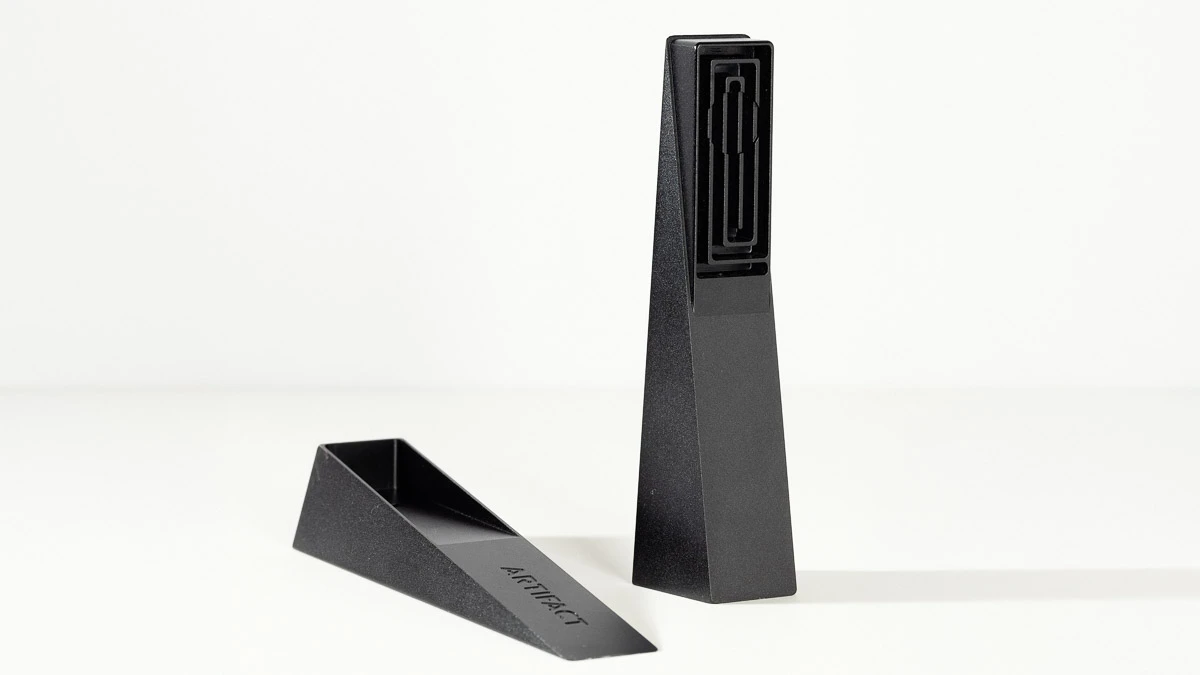
Looks: why some people move on from glass
Aesthetics are personal, but they affect what people choose to keep using. Many glass pipes on the market still lean into a head shop style that some people do not want sitting out at home.
Common reasons people choose metal instead:
- A simpler, more minimal form
- A more understated object on a shelf or desk
- Less of a “novelty” look
This does not mean all glass looks the same. It does mean the average glass pipe people encounter tends to signal a specific culture and era.
Heat and comfort
Here, design matters more than material. A well-designed pipe manages heat and airflow better than a poorly designed one, regardless of whether it is glass or metal.
A simple way to evaluate comfort is to look for:
- A shape that keeps lips away from the hottest areas
- Enough mass or structure to avoid hot spots near the mouth
- An airflow path that does not require harsh pulling
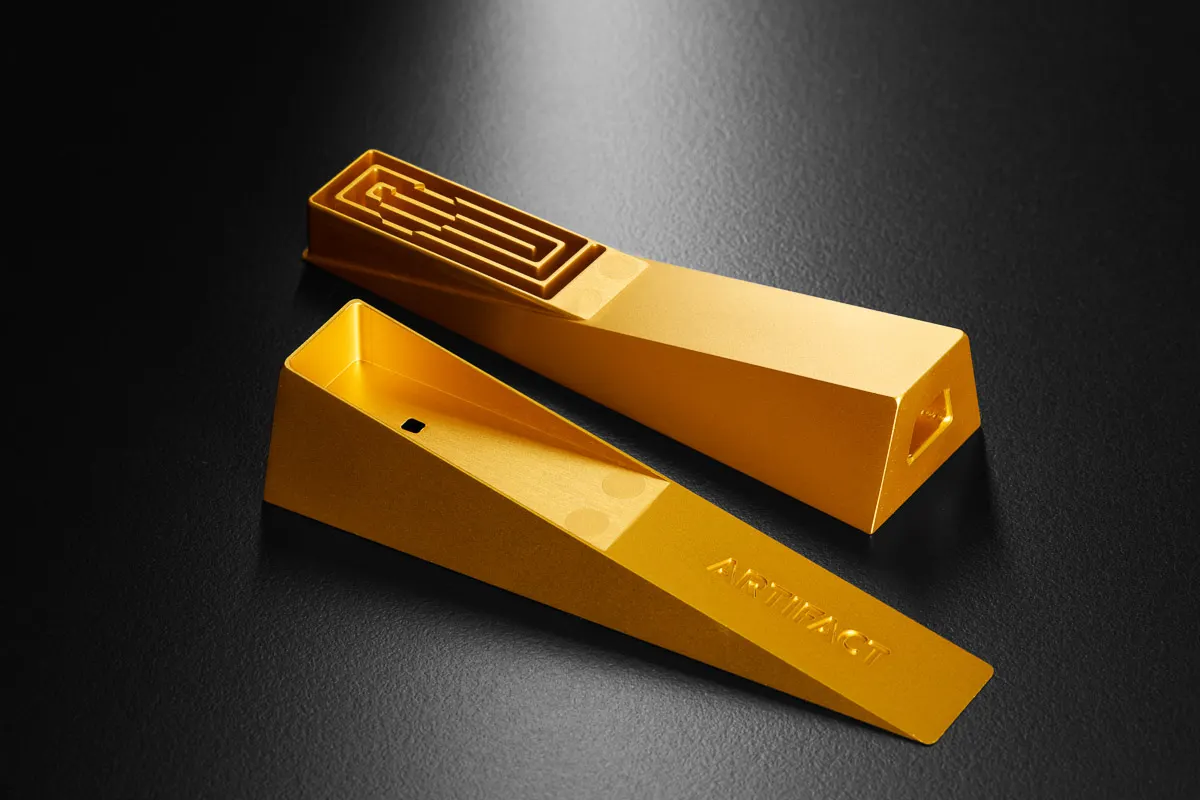
A metal pathway also pulls heat from the draw faster than a straight glass bore. Here is why a square aluminum labyrinth outperforms glass.
What to look for in a metal pipe
“Metal pipe” can mean many different things. Quality depends on the specific materials and finishing.
Useful signals when comparing options:
- Clear material information, not vague claims
- No unknown coatings on interior surfaces
- A design that can be accessed for cleaning
- Consistent fit and finish
If you’re comparing metal options, understanding finishes helps. Here’s a quick guide to anodized aluminum finishes.
Cost over time
Glass often costs less upfront, but replacement is common due to breakage or persistent smell and taste issues.
Metal often costs more upfront, but may cost less over time if it stays usable and easy to maintain.
A practical way to compare is: how many months of good use do you expect before it becomes annoying or unusable?
Who should choose glass
Glass tends to fit best for people who:
- Prefer the traditional look
- Do not mind replacing it occasionally
- Are fine with cleaning that is not always complete
- Want a simpler entry price
Who should choose metal
Metal tends to fit best for people who:
- Want durability for daily life and travel
- Care about keeping taste consistent over time
- Want a pipe that is easier to maintain
- Prefer a more minimal object
FAQ: glass vs metal pipes
Are metal pipes easier to clean than glass pipes?
Often, yes, mainly because many metal designs allow more direct access to the interior.
Why do glass pipes still smell after cleaning?
Because small amounts of residue can remain in bends and narrow points you cannot scrub directly, and that residue can keep smell alive.
Do metal pipes taste different than glass?
They can. In long-term use, taste consistency depends more on how completely you can clean the interior than on the material alone.
What is the most durable pipe material?
For everyday drops and travel, metal generally outperforms glass.
Do glass pipes hold smell more than metal pipes?
In practice, glass can end up holding smell longer because it is harder to fully clean, especially in fixed bends.
How often should you deep-clean a pipe?
A simple rule is to deep-clean when taste changes or airflow narrows, and do light maintenance before it gets to that point.
What should I avoid in low-quality metal pipes?
Unknown materials, unclear finishes, and designs you cannot access internally for cleaning.
What if I’m worried about aluminum?
A lot of the internet repeats the same claims without context. Here’s a clear breakdown of common aluminum pipe misconceptions.
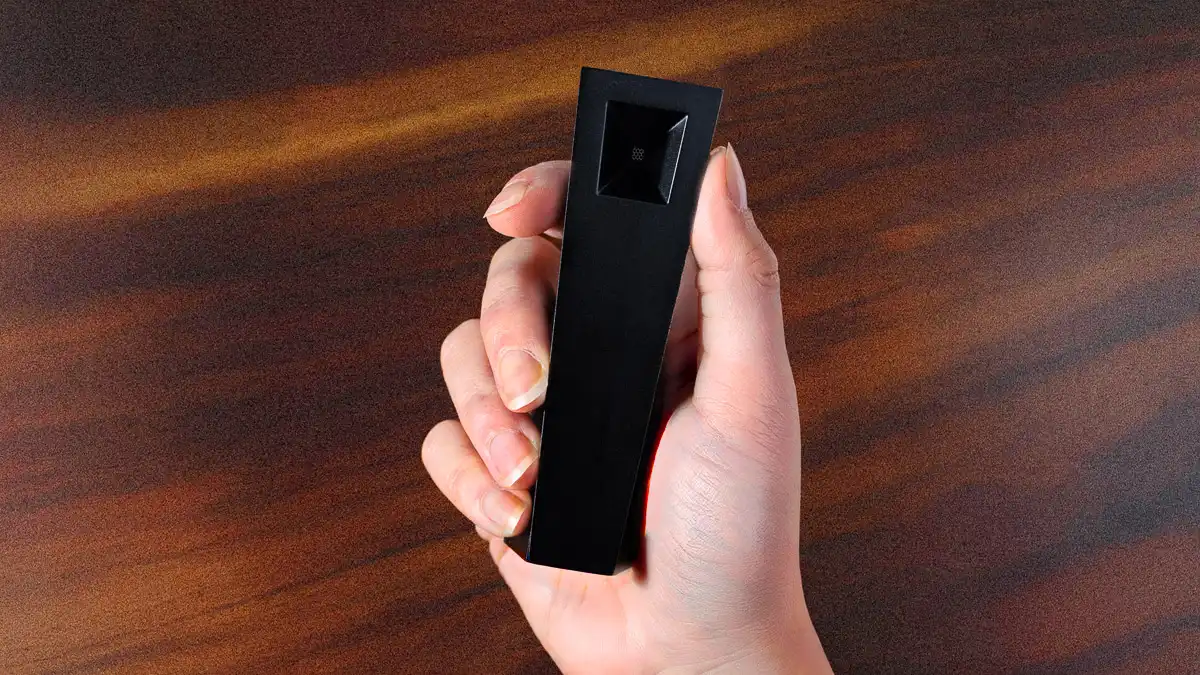
Example images used in this post
The metal pipe shown in the images above is the Artifact Tempest, used here as a visual example of a modern metal pipe with an interior path you can access for cleaning. You can see the Tempest collection here.