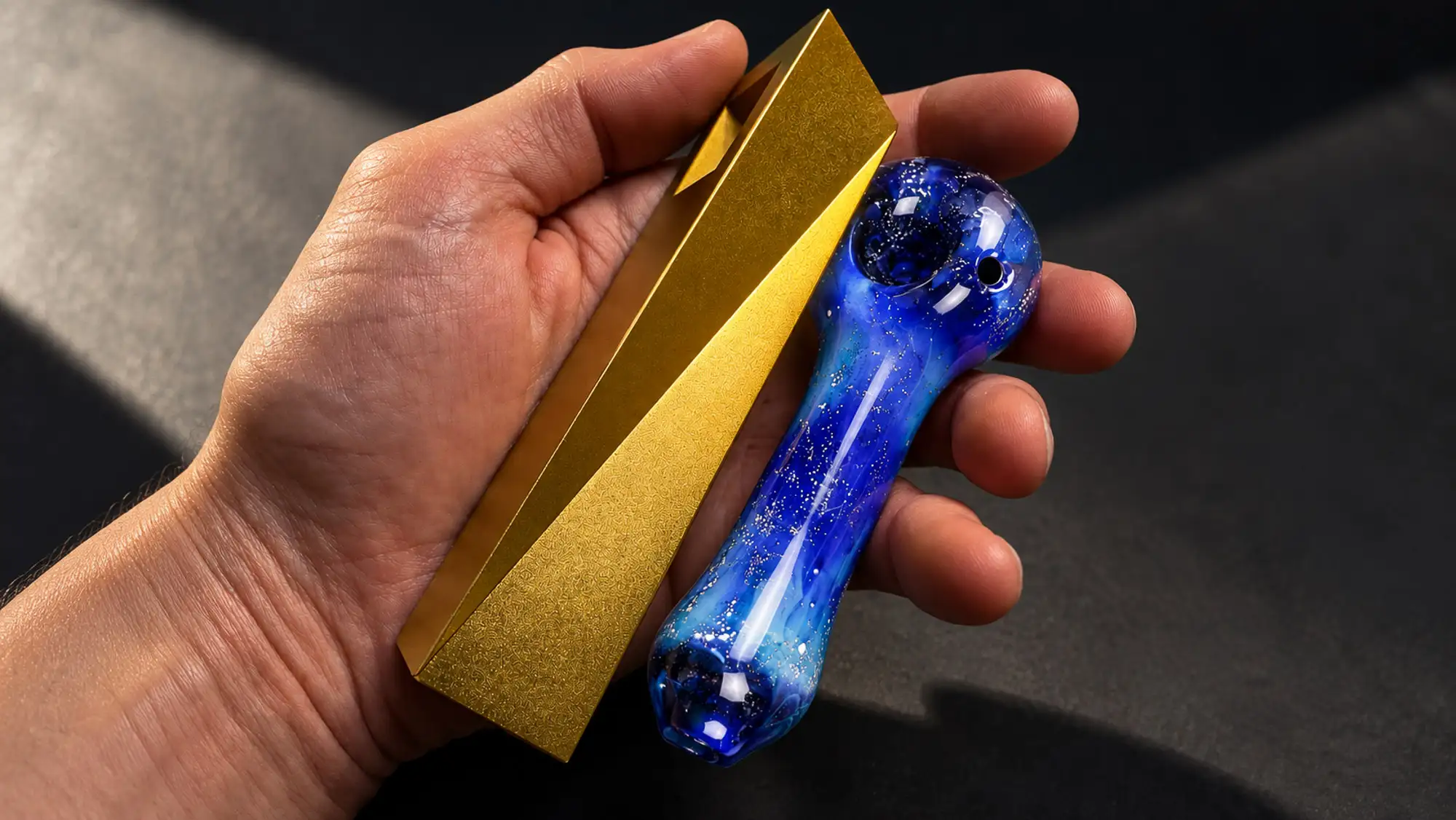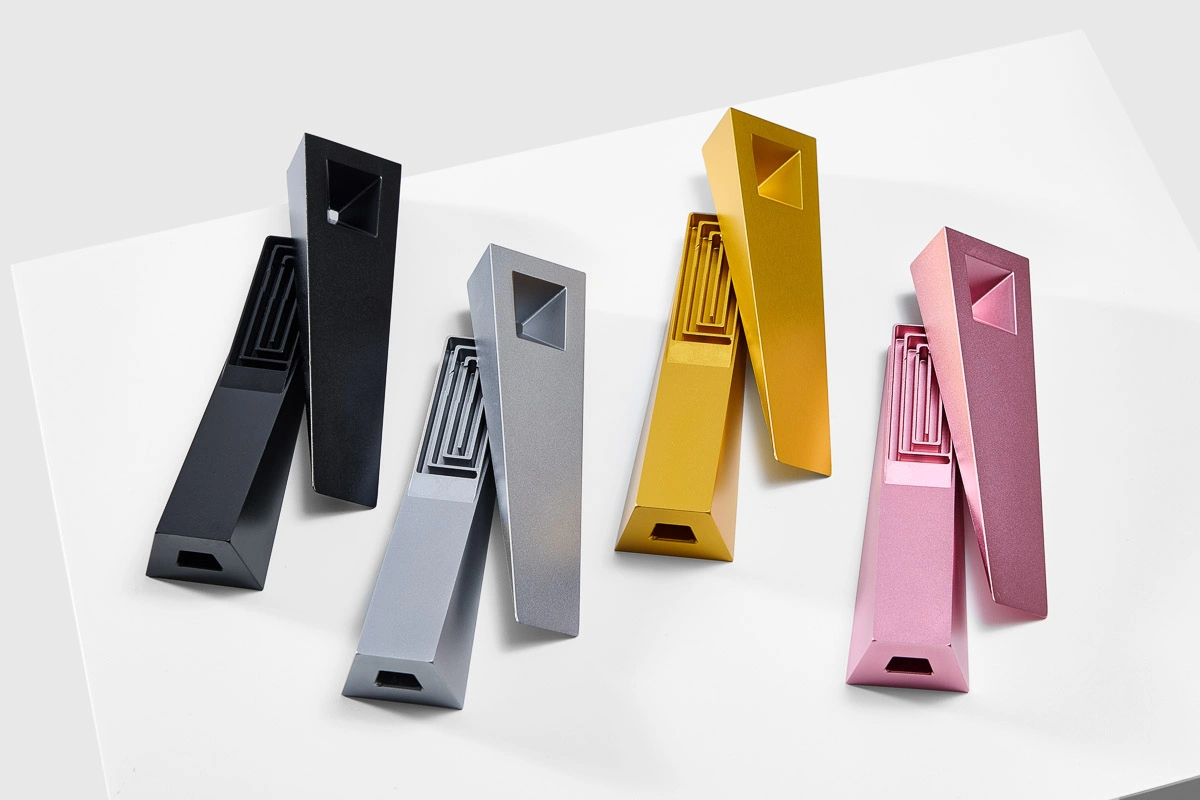
A modern smoking pipe is designed for repeat use. That usually means better materials, built-in cooling, and simple cleaning access.
This guide shows what to look for, what to avoid, and a quick way to compare options.
Quick checklist: what makes a pipe “modern”
A modern smoking pipe usually has:
- Durable, heat-tolerant materials (built for repeated use)
- Built-in cooling that improves the draw without extra attachments
- Easy cleaning, ideally with full access to the interior
- Stable geometry that keeps ash where it belongs
- Tight seams and fewer dead zones where residue collects
- Portability that fits real life (pocket, bag, desk, travel)
If a pipe looks modern but misses these, it is mostly styling.
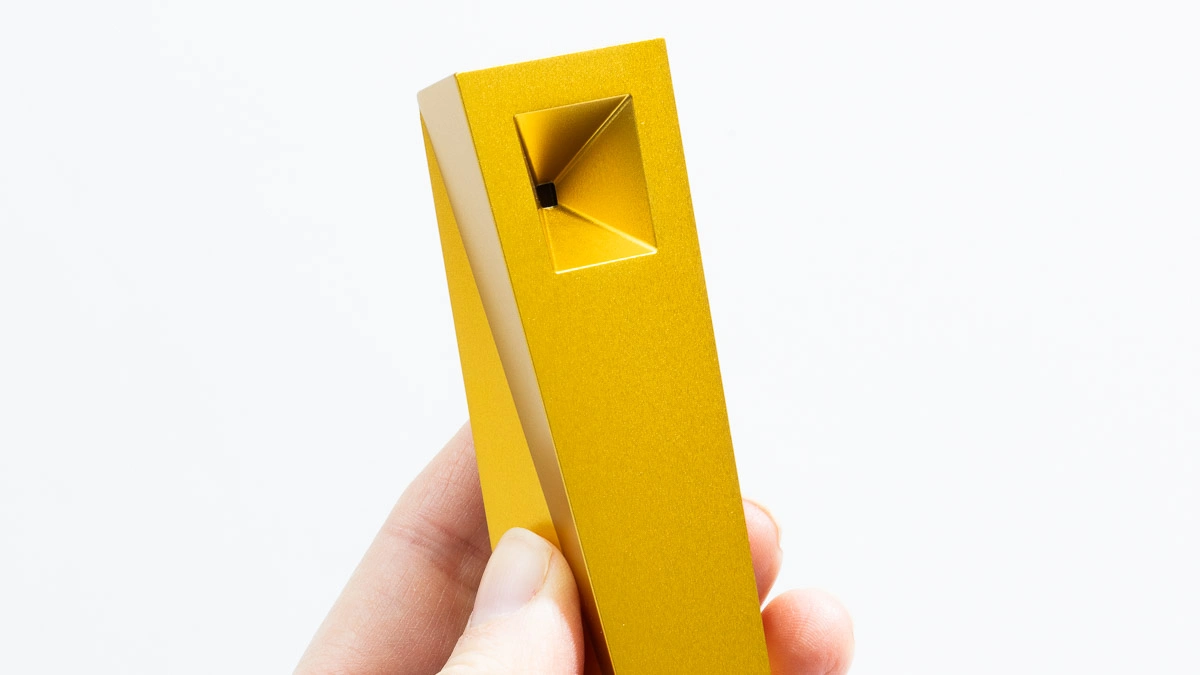
Cooling features are often internal, but the exterior usually reflects intentional design.
1) Materials determine durability and heat handling
Materials are the foundation.
Strong modern material choices
Anodized aluminum
Lightweight, durable, corrosion-resistant, and easy to maintain.
Read more about anodized aluminum basics
Is it safe to smoke out of aluminum pipes?
Titanium (especially in high-heat zones)
Excellent heat tolerance and long service life.
High-grade ceramics
Heat tolerant and stable, with a clean feel when properly designed.
Materials that often create compromises
- Thin glass: fragile, easy to break, and often paired with hard-to-clean shapes
- Coated finishes: can look good, but may not tolerate repeated cleaning
- Soft metals with thin plating: can show wear quickly depending on finish and care
What to look for in product photos: clean seams, solid wall thickness, and no obvious weak points near high-heat areas.
2) Built-in cooling improves the draw without extra parts
Modern pipes often smooth the draw by giving smoke more time and surface area to cool before it reaches the mouthpiece.
Common cooling approaches:
- Internal pathways or chambers that lengthen airflow
- Labyrinth-style geometry that increases contact and slows flow slightly
- Design that reduces harshness without needing water
What to avoid:
- Add-ons that create new cleaning problems
- Designs that cool well once, but trap residue long-term
If you want a smoother experience while staying dry and portable, built-in cooling is one of the highest-leverage features to prioritize.
Read more about engineered airflow and cooling pathways.
For the underlying science, see why a metal labyrinth cools more than glass.
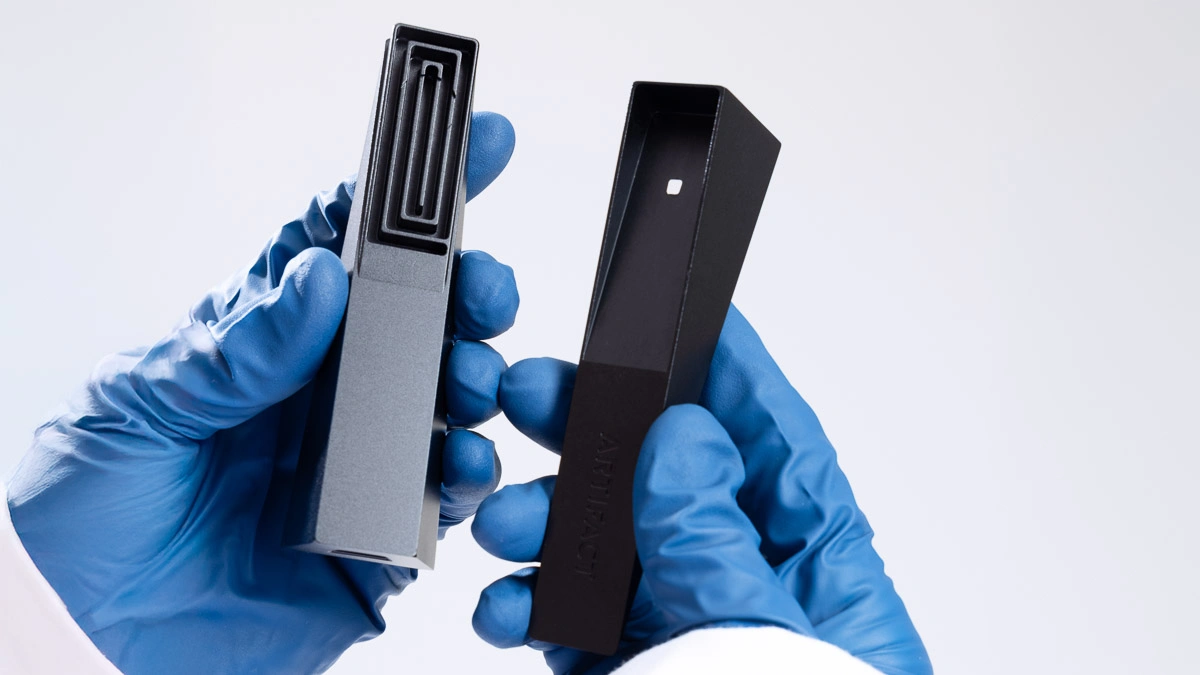
Full access beats “easy to clean” claims.
3) Cleaning design matters more than “easy to clean” claims
A pipe is only as practical as its maintenance.
Good cleaning signals
- Opens fully without tools
- Interior is reachable without special brushes
- Few seams, steps, and tight corners
- Parts align predictably after cleaning
Common “not actually easy” designs
- Long stems you cannot reach
- Tiny chambers that require soaking
- Deep corners that turn into permanent buildup zones
A modern pipe should make cleaning routine, not a project.
Learn more about how to easily clean a pipe.
4) Geometry controls stability, ash behavior, and mess
Geometry is not decoration. It controls behavior.
A well-designed modern pipe shape tends to:
- Guide ash inward instead of letting it cling to edges
- Stay stable on a table without tipping
- Keep contact surfaces cleaner (fewer grooves and traps)
- Use smooth transitions where residue would otherwise accumulate
5) Modularity and magnetic closure can improve access and alignment
Some modern pipes use modular construction or magnetic closure to improve usability.
Benefits when done well:
- Faster access for packing and cleaning
- Fewer threads and fewer stuck parts
- Consistent alignment and consistent performance
- Easier long-term maintenance
Read: What Are Magnetic Pipes? A Guide to the Future of Smoking
A simple comparison method (use this anytime)
When you’re comparing modern smoking pipes, score each one from 1–5 on:
- Materials (heat tolerance and long-term durability)
- Built-in cooling (dry, integrated, not an attachment)
- Cleaning access (opens fully, reachable interior)
- Residue traps (fewer seams and dead zones)
- Stability (does it tip, does ash stay contained)
- Portability (shape, pocketability, durability)
The pipe with the highest total is usually the best real-world choice, even if a different one looks better in photos.
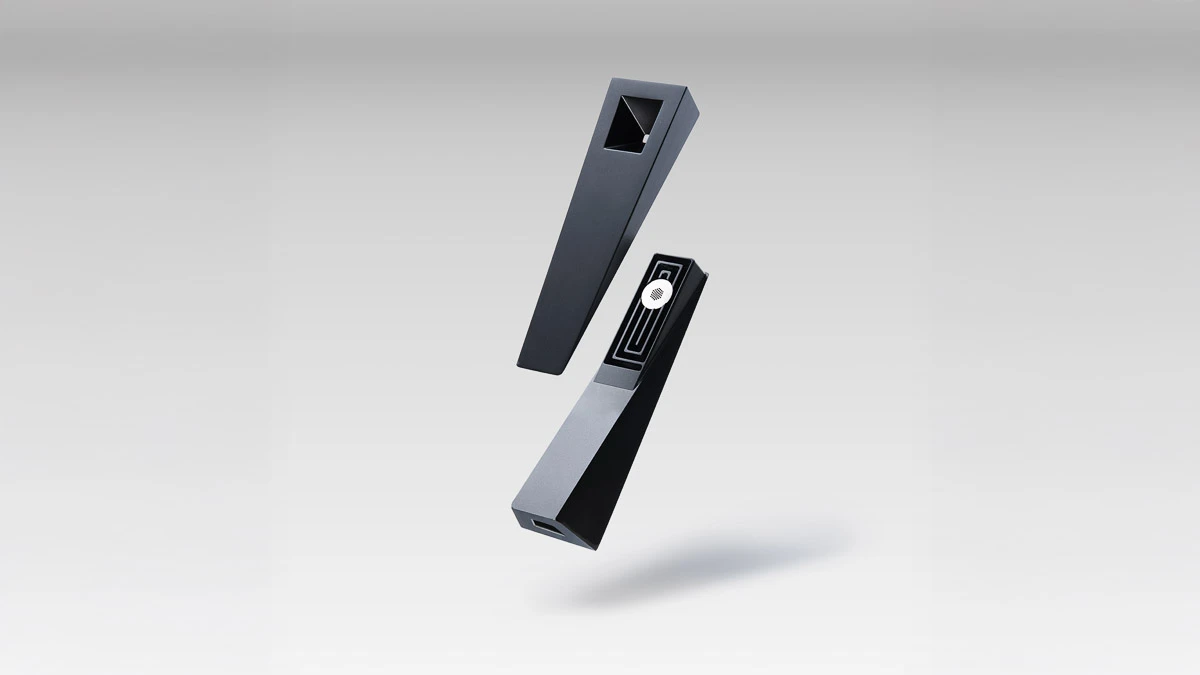
Example: a two-piece magnetic dry pipe
Artifact Tempest is one example in this category: a two-piece magnetic dry pipe designed around durability, built-in cooling, and fast access for cleaning.
Read: Modern Smoking Pipe: Tempest Redefines the Future of Pipes
FAQ:
What makes a smoking pipe “modern”?
Modern pipes focus on repeat use: durable materials, built-in cooling, and easy cleaning, with geometry that stays stable and practical.
Do modern smoking pipes need water?
No. Many modern pipes improve the draw through internal geometry and airflow design. Water is optional.
What is the easiest type of pipe to clean?
Designs that open fully, avoid long stems, and minimize dead zones are the easiest. Tool-less access is a major advantage.
Are metal smoking pipes safe for repeated use?
They can be, especially when the materials and finishes are designed for heat and routine cleaning. Focus on heat-tolerant materials and thoughtful high-heat-zone design.
What should I avoid when shopping for a modern smoking pipe?
Avoid fragile materials, long unreachable stems, complicated add-ons, and shapes with lots of tight corners that trap residue.
What is the biggest upgrade over a basic pipe?
Built-in cooling plus tool-less cleaning. Those two changes usually improve the experience and reduce maintenance the most.