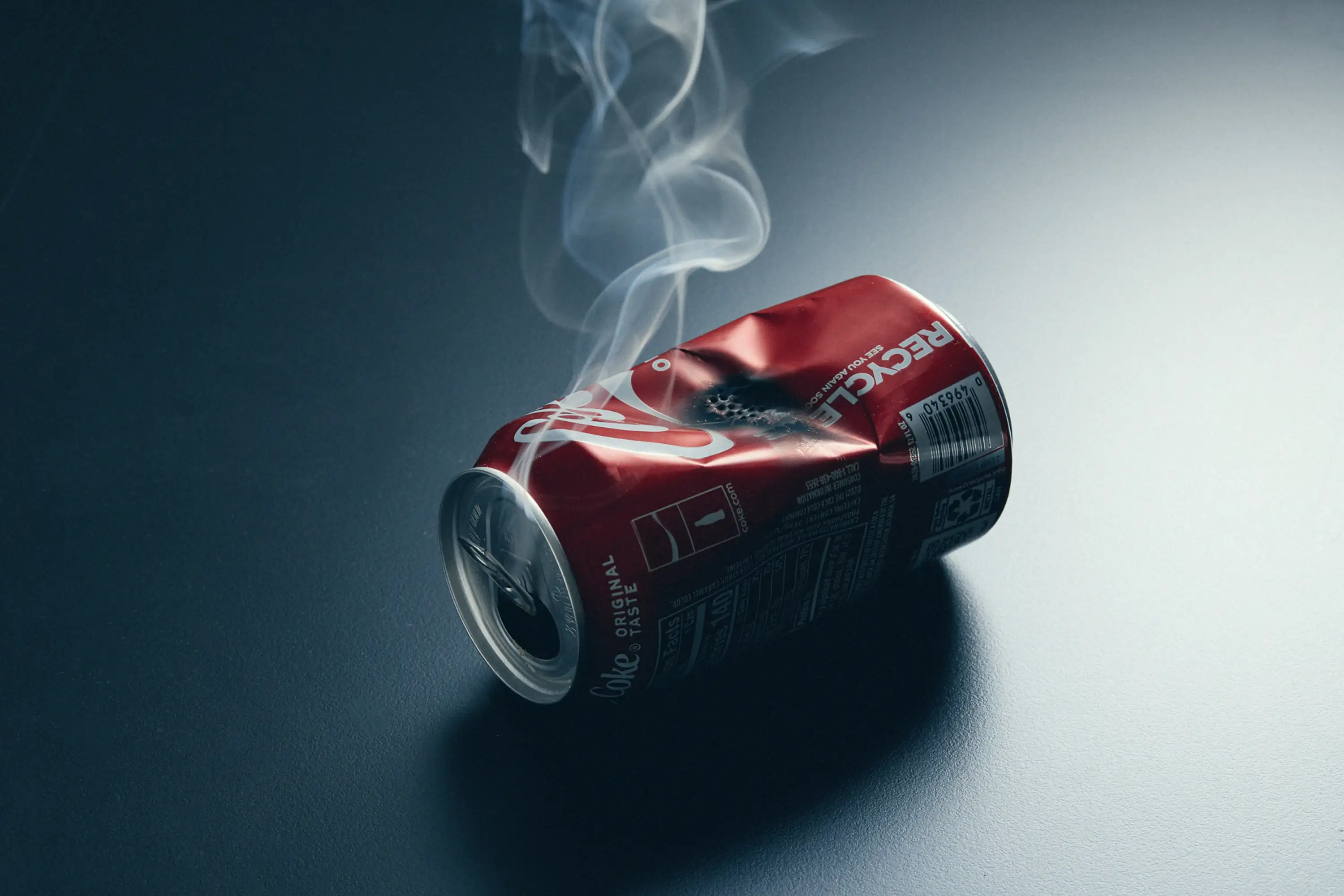
For a lot of people, the first aluminum pipe was a soda can. A dent, a lighter, and a draw that tasted like hot paint. It worked, sort of, and it left a lasting impression: aluminum is sketchy.
That impression stuck to the metal instead of the method. We tend to judge a material by the worst version of it we’ve met, and for aluminum, that version was a can or a sheet of foil.
Is it safe to smoke out of an aluminum pipe?
Yes, when the pipe is solid, machined aluminum with nothing painted or coated in the smoke path. Smoke is still smoke, and this post isn’t about that. It’s about what the pipe itself contributes, and a well-made aluminum pipe gives you no reason for concern.
The rest of this page covers where aluminum’s reputation came from, what heat actually does to a solid aluminum pipe, and how aluminum compares to the other metals used in pipes.
Why does aluminum have a bad reputation for smoking?
Two things gave aluminum its reputation: improvised pipes made from cans and foil, and an old health scare linking aluminum to Alzheimer’s disease.
Cans and foil are the aluminum most people have smoked from, and both are bad at the job. They’re thin, they’re coated, and they sit directly in or next to the flame. The problems are real, but they come from the can or the foil, not the metal. We cover foil on its own in Is Smoking Out of Aluminum Foil Harmful?
The health scare came from research in the 1960s and 1970s, when aluminum became a suspect in Alzheimer’s disease. The suspicion spread to cookware, cans, and anything else made of aluminum, and it stayed in the public imagination long after the science moved on.
Is it safe to smoke out of a soda can?
No. A can is aluminum wrapped in things that shouldn’t burn: a polymer lining inside, and printed inks and varnish outside.
The lining keeps the drink from touching the metal. The inks and varnish carry the branding. Neither was made to meet a flame, and a lighter scorches both right where you’re drawing air through. The walls are about a tenth of a millimeter thick, so there’s no mass to absorb heat, and the smoke arrives hot and harsh.
The aluminum isn’t the problem. Everything the can was dressed in to hold a soda is.
Does aluminum cause Alzheimer’s?
No link has been established. The Alzheimer’s Association lists aluminum from cans and cookware as a myth, noting that research has not confirmed any role for aluminum in causing the disease.
The suspicion had understandable roots. Early studies found elevated aluminum in some patients’ brains. Around the same time, kidney dialysis patients became confused when aluminum built up in their blood, a problem that was largely solved by purifying dialysis water. Neither finding showed that everyday aluminum causes Alzheimer’s.
Research hasn’t stopped entirely. Some studies still look at aluminum in drinking water, with mixed results. None of it ties the disease to cookware, cans, or the objects we handle every day.
Does an aluminum pipe release metal or fumes into the smoke?
Not in any way that’s been shown. Aluminum melts at 660°C (1,220°F), and a solid pipe body never gets close.
The flame is aimed at what’s in the bowl, not at the metal. Aluminum also moves heat quickly, pulling it away from any hot spot and spreading it through the body. The outside of a Tempest stays cool enough to hold through a session.
Research on metals in inhaled aerosols has focused on vape hardware, where a heating coil cycles hot and cold hundreds of times and can shed metal particles. A pipe has no heating element.
We found no published study that measures metal transfer from a solid aluminum pipe into smoke. The research did turn up one surprise: a 2006 study found that smokable plants can themselves contain aluminum, up to about 0.4 percent by weight, and that some of it travels in the smoke. That aluminum comes from the plant, not the pipe. For wider context, Europe’s food safety authority identifies diet as the main source of everyday aluminum exposure, led by foods like cereals, vegetables, and tea.
Is raw aluminum safe, or does a pipe need to be anodized?
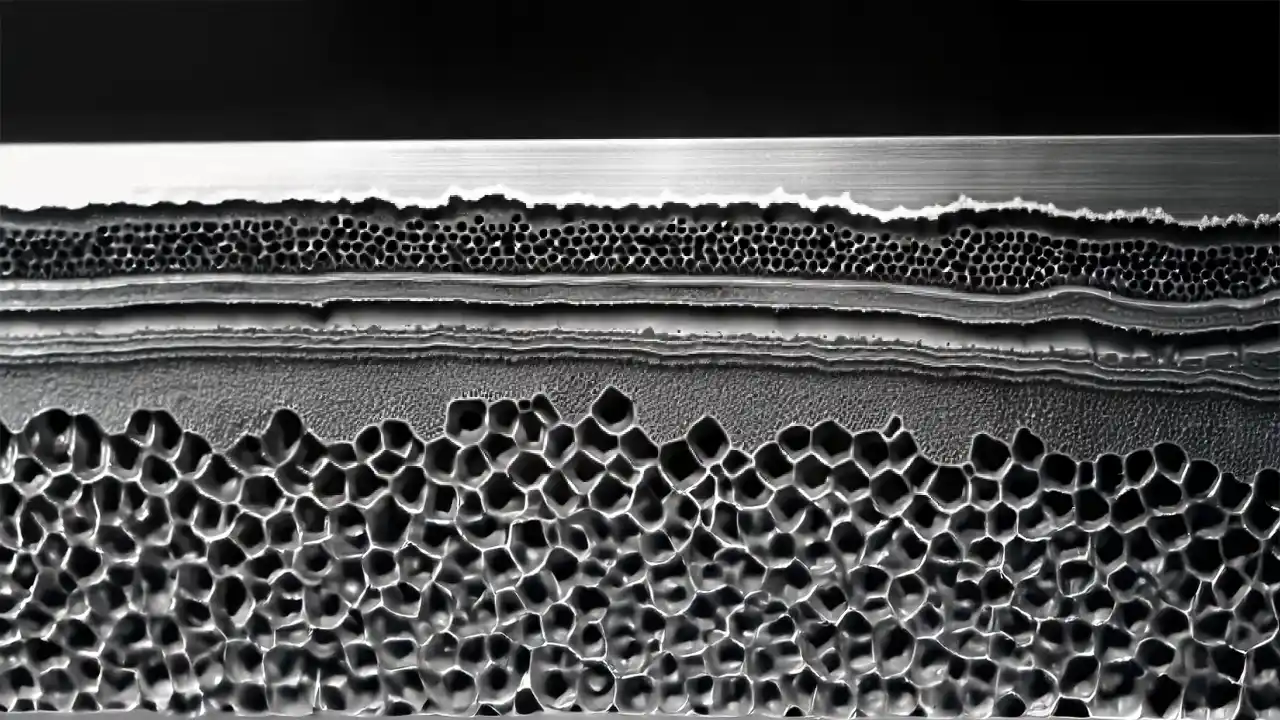
Raw aluminum is safe at pipe temperatures. It forms its own thin oxide layer the moment it meets air, and that layer is stable. Anodizing makes that layer far thicker, harder, and sealed.
The difference is practical more than medical. Raw aluminum discolors with heat and resin, can leave gray marks on your fingers, and is harder to get clean because its surface isn’t sealed. An anodized surface is closed, so resin wipes off instead of settling in.
What to avoid isn’t raw aluminum. It’s aluminum hidden under paint, powder coat, or another finish that sits on top of the metal where heat and smoke can reach it. For how anodizing works, see What Is Anodized Aluminum?
Is aluminum a cheap material?
No. Aluminum’s cheap reputation comes from disposable uses like foil and cans. The same metal is used in aircraft structures, camera bodies, and bicycle frames.
What separates cheap aluminum from good aluminum is the process: a part machined from solid metal, with real wall thickness and an anodized finish. Judge the object, not the element.
Which metals are safe in a pipe’s smoke path?
The metals that belong in a smoke path are the ones that stay stable under heat and carry no coating: aluminum, stainless steel, titanium, and lead-free brass. Trouble usually comes from what’s on the metal or mixed into it.
What makes a metal pipe safe to smoke from?
Look for solid, machined metal of a known material, with no paint, powder coat, or plating in the smoke path, and full access for cleaning. You can check most of that from a product page.
- Solid, machined metal. Thin sheet and stamped parts behave more like a can than a pipe.
- A named material. Aluminum, stainless steel, titanium, or lead-free brass. If a listing won’t say what the pipe is made of, that tells you something.
- No finish on top of the metal where smoke travels. Anodizing is fine, because it is part of the metal.
- Full access for cleaning. Residue you can’t reach builds up and burns again with every bowl.
For everything else that separates a good pipe from an average one, like cooling, cleaning design, and stability, see the modern smoking pipe guide.
What can you use instead of aluminum foil?
If you’re without a pipe, an apple or a corn cob pipe is a better short-term option than foil. An apple carves into a simple air path and lasts a session. A corn cob pipe is inexpensive, widely sold, and made for smoking.
Neither is meant to last. For anything regular, a purpose-built pipe is the answer.
What is the Tempest made of?
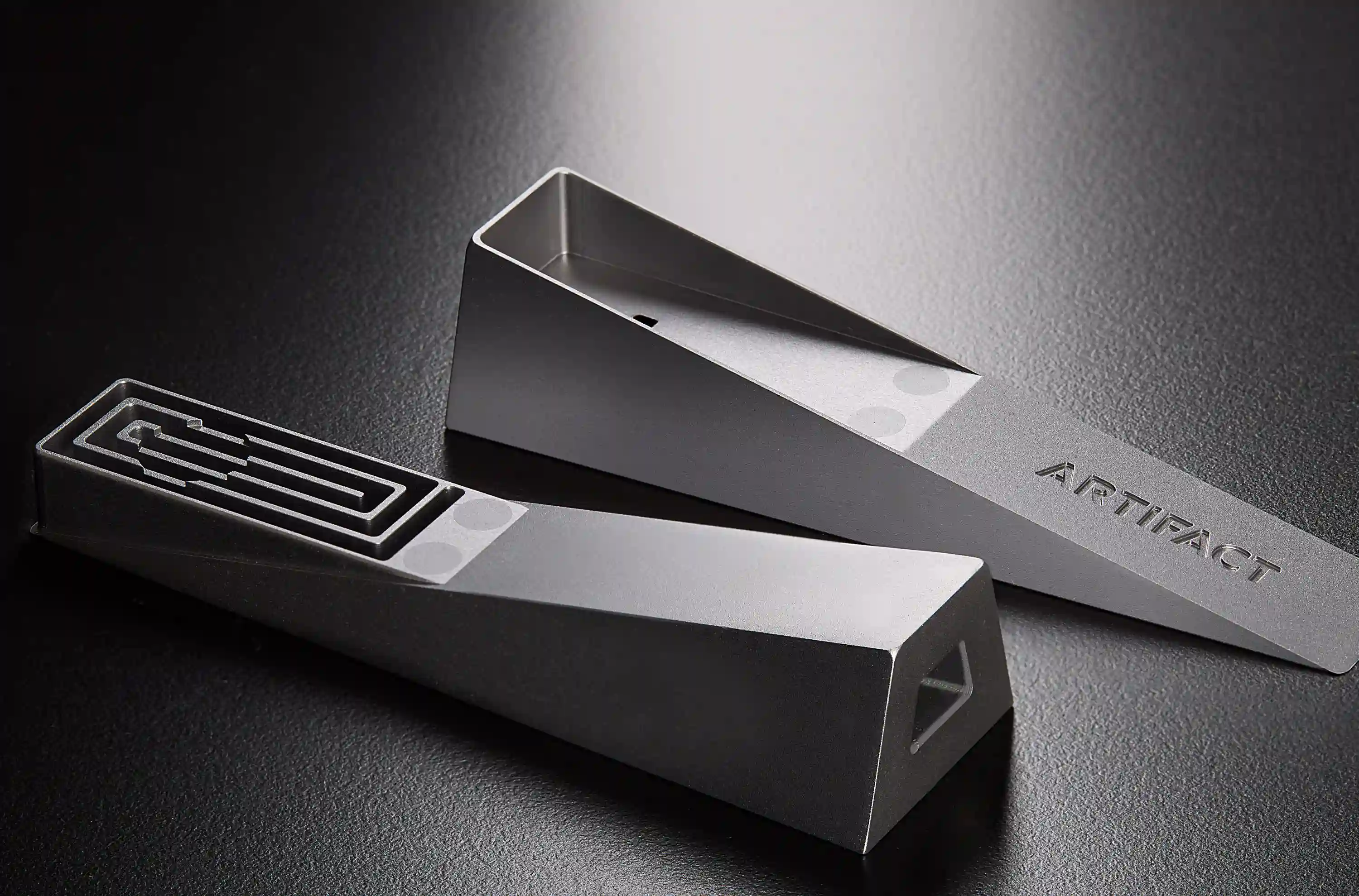
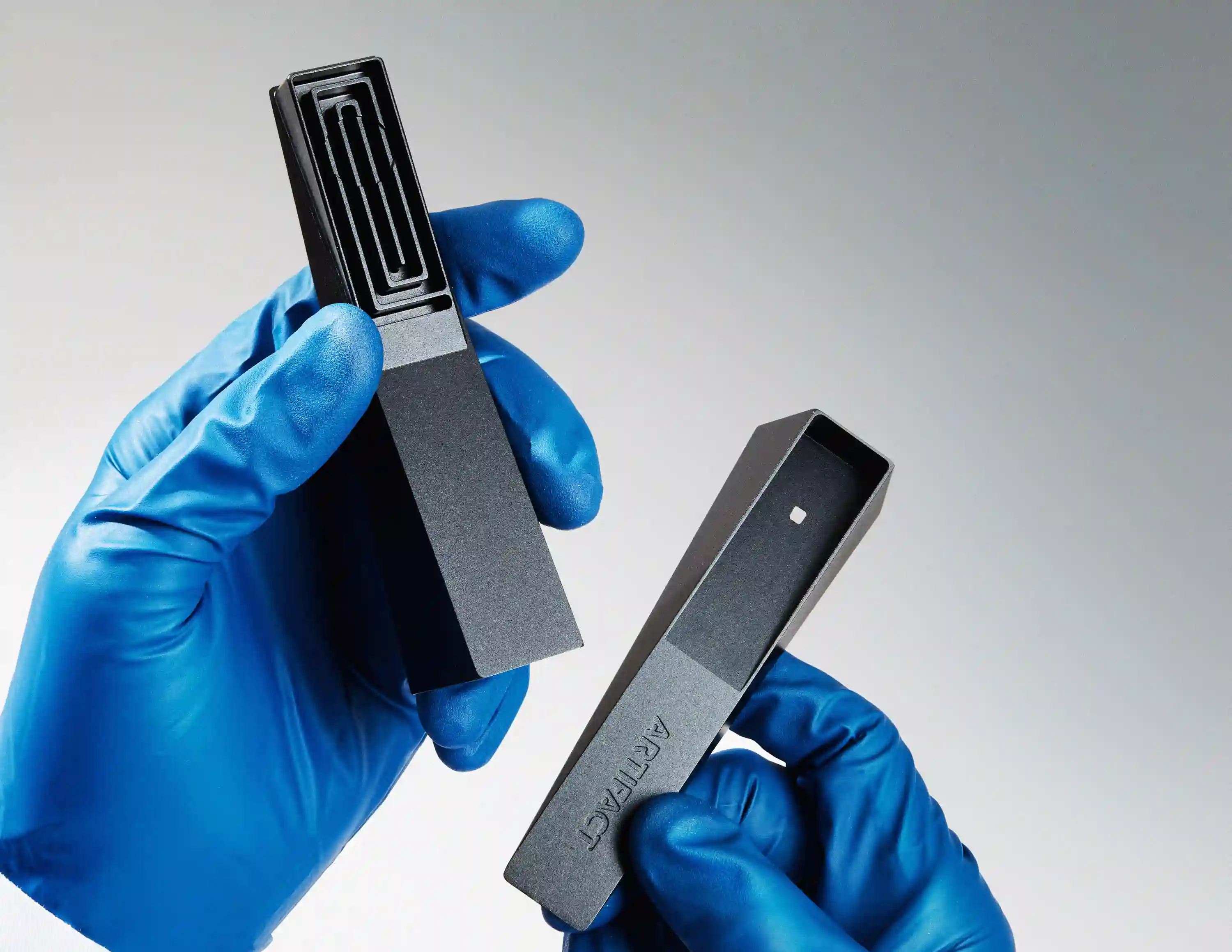
Tempest is machined from solid aerospace-grade aluminum and anodized, with no paint or coating anywhere on it. Its two halves connect magnetically and pull apart completely, so the entire smoke path, including the Labyrinth cooling pathway, opens for cleaning.
The fairer test
Aluminum earned its reputation from the cheapest versions of itself. Most materials would. A fairer test is the best version: solid, sealed, and made for the job.
If you want to see what that looks like, all four finishes are on the Tempest page.
References
- Alzheimer’s Association: Myths about Alzheimer’s
- Scientific American: Is there any proof that Alzheimer’s disease is related to exposure to aluminum?
- The American Journal of Medicine (2006): Aluminum in Tobacco and Cannabis and Smoking-Related Disease
- European Food Safety Authority: Safety of aluminium from dietary intake