Every glass pipe I've ever owned went the same way. They'd work fine for a while and then they wouldn't, because there's no way to get inside one and actually clean it. At some point you're just holding a dirty object.
Eventually I got tired enough of that cycle to go looking for something better, and there was nothing out there that spoke to me. Nothing ticked all the boxes. The metal pipes I tried were made of cheap metal and tasted gross. I found a wooden one I liked because it had a cover over the bowl, but smoking out of wood is just plain weird. And no glass pipe gives you access to the inside.
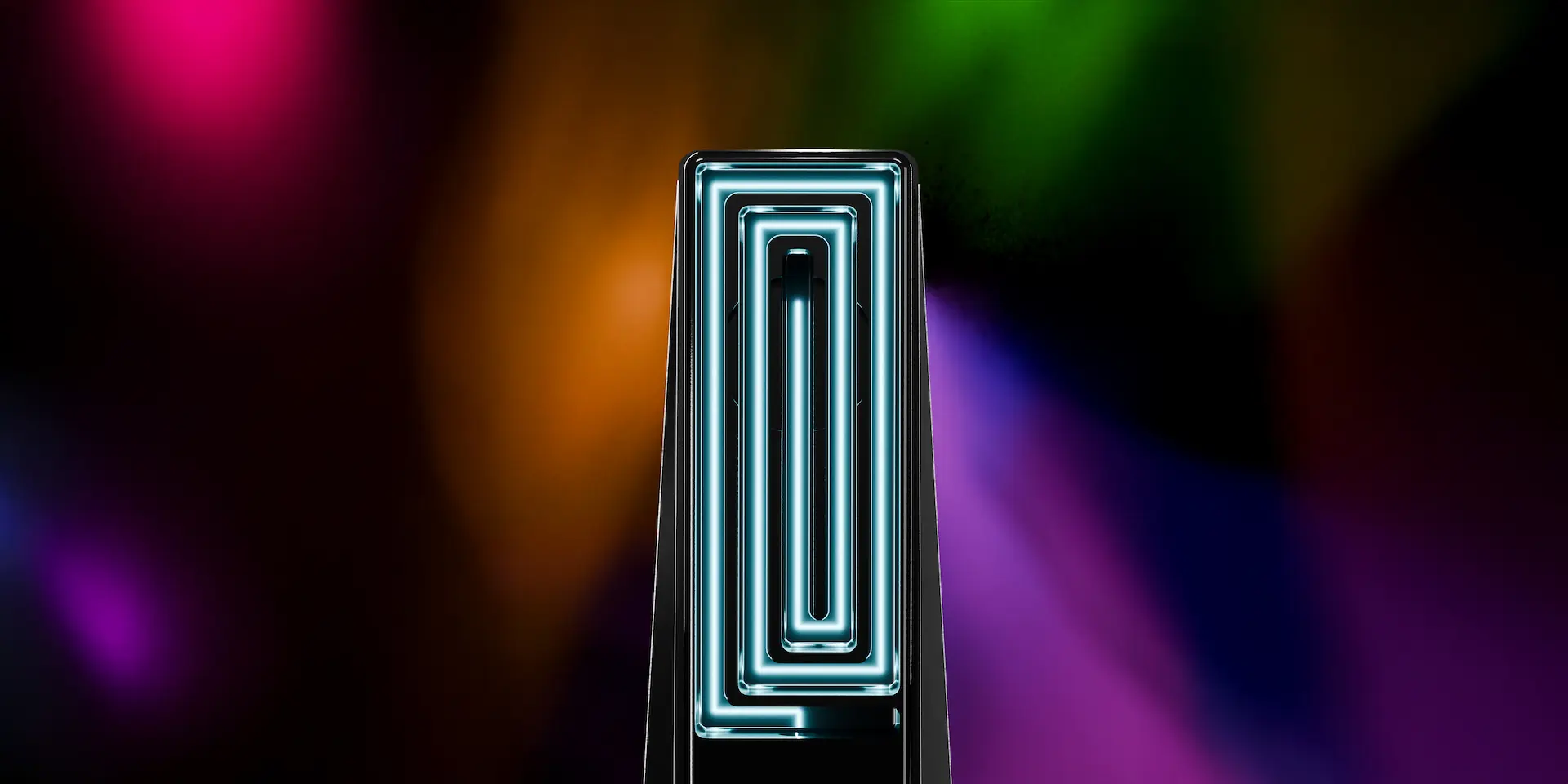
So I started Artifact to design the objects I wanted for myself. The first one was always going to be a pipe. Four years later that became the Tempest.
What I got out of those four years, more than the pipe, was a standard. Every object should be able to justify its own existence. Most of what we own can't, and the price on it tells you almost nothing about which kind you're holding.
What you actually pay for a cheap object
I have real respect for glass pipes. They're legacy, some of them are genuinely beautiful, and there's a reason the design has lasted as long as it has. I just don't want one as my daily driver, which is a different question than whether they're good.
Glass is inexpensive, which makes it accessible, which is why most people end up with one. It's also breakable and impossible to clean properly, so it doesn't stay good. You replace it, and then you replace that one. Buy the cheap version of anything enough times and you've spent more than the good one would have cost, except you have nothing to show for it.
That's what a sticker price hides. The real cost of an object is what it costs to keep having one.
Expensive doesn't prove anything either
There are pipes out there selling for eight thousand dollars where the number is more or less the product. We wrote about those separately.
The cheap end fails differently, and a lot more often. You usually don't find out until you've lived with the thing for a while. A grinder that sticks. A lighter with bad pressure. An ashtray that spills every time you move it. A pipe you can't maintain. Somebody had a price to hit, and the way they hit it was by leaving out something you were going to need.
The Volcano by Storz and Bickel is what the expensive end looks like when it's honest. You can feel where the money went the first time you use it. Better parts, better build, and it does the job the same way years later as it did on day one. You pay once and then you stop thinking about it, which is the whole return.
So it isn't about cheap or expensive. It's whether the object can do its job at the price it's asking for.
The three boxes
Doing its job is the part worth being specific about, because most objects are good at one thing and ask you to forgive the rest.
When I was sitting in my home office looking at a filthy glass pipe I couldn't clean, I didn't just want a better pipe. I wanted one that worked really well, that I could actually clean, and that looked good enough to leave out on a shelf. All three in the same object, with none of them negotiable against the others. Nothing I'd seen ticked all three boxes, so I got to work.
That's the first check I run on anything now, and everything else depends on it. Not whether it would sell. Whether I'd genuinely be happier owning it. If the answer is no, no amount of engineering fixes that.
From there it's drawings, CAD, prototypes, and back to drawings, as many times around as it takes. The full version of that story, four years of it, is a post of its own. I'll get to it.
How I got here
Before this I spent my career directing commercials and music videos. Before that I was a kid building props for movies I shot myself, which is probably the more relevant credential.
I studied film at Art Center in Pasadena, which is also where one of the best product design programs in the country lives. I'd go to the shows the design students put on and walk around looking at what they'd built, quietly envious the whole time. They got to make things you could pick up. That feeling you get from good design never let go of me.
Film won and I'm not sorry about it. It consumed me and I gave it everything I had.
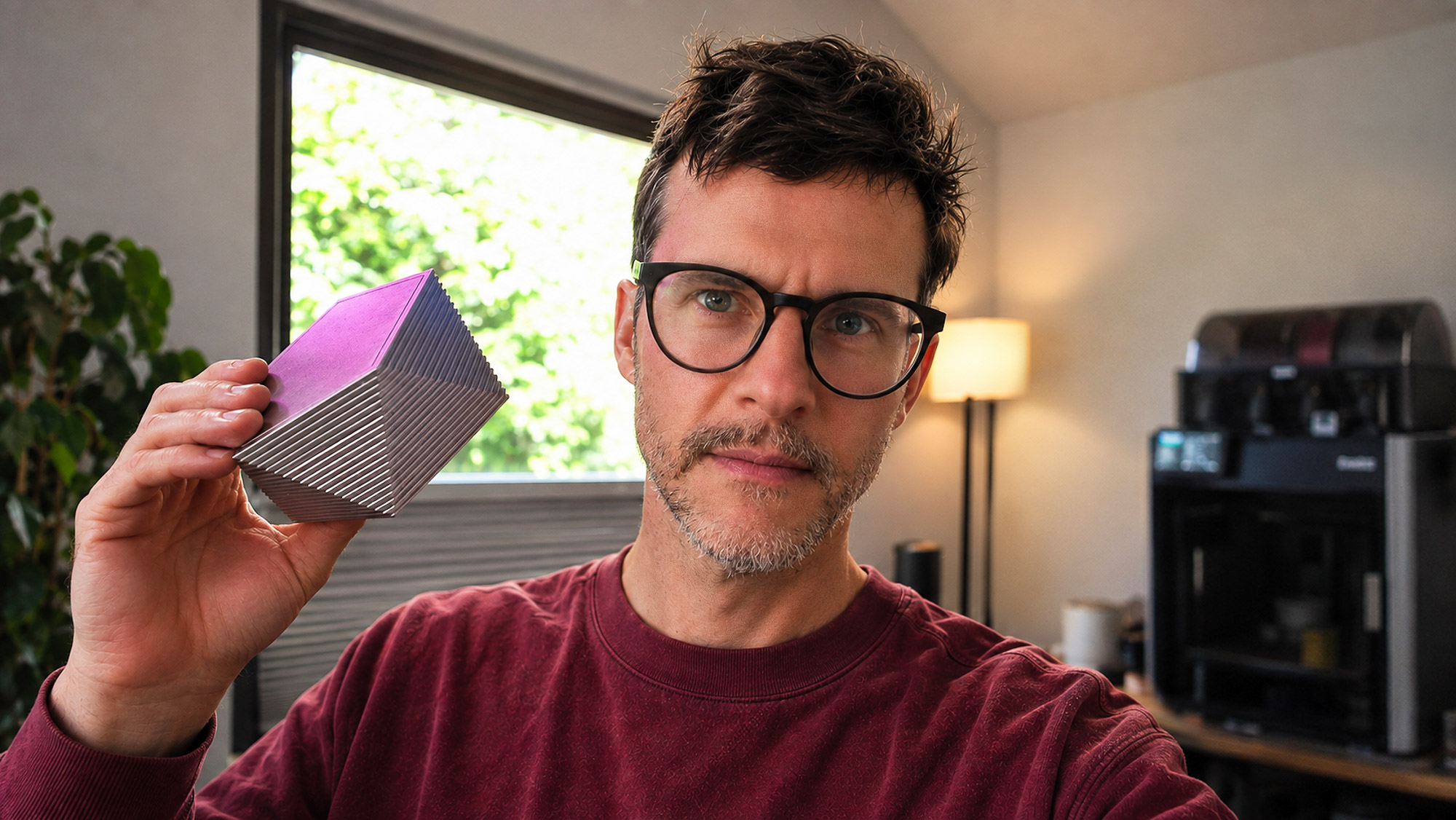
Then COVID hit and I suddenly had time that wasn't in service of a career. I started teaching myself product design and didn't question it for a second. I'd been modeling in CG for years, so making pictures of objects was familiar. Making objects was not. CAD I had to learn from scratch, and I had a friend in Los Angeles who owned a machine shop who walked me through what a drawing actually has to account for if somebody is going to cut it out of metal. That guidance was indispensable.
Once I started I didn't stop. Before the pandemic was over we'd moved the family from Los Angeles to Portland, which was less a relocation than a full reset. New city, new work, new obsession.
Ideas are like a train
For me, ideas are like a train that never stops rolling by. It's always exciting to jump into a new car and discover the treasures it keeps. But sometimes you're in the wrong car, and knowing when to get off is difficult.
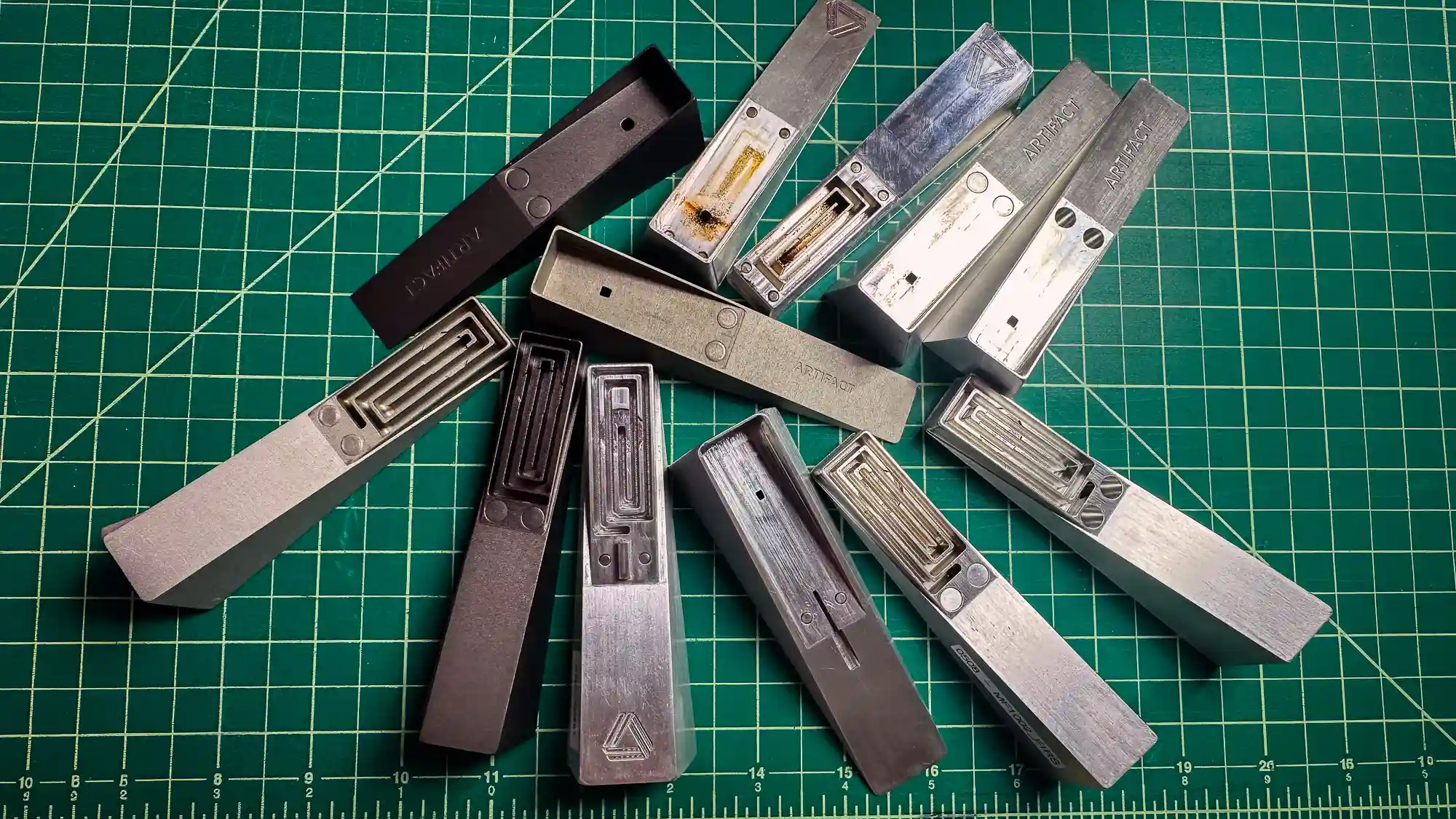
Prototyping is the final test. It might have looked good on paper, but holding it in your hand sometimes there's just no magic. That's okay, it's part of the journey. Jump back off the car and start over. New ideas are always rolling by, and when you land on the right one, when you're holding real magic in your hands, you'll know it because you'll feel it.
That's the same standard used in my own work. Plenty of things I've designed couldn't justify their existence either, and those don't get made.
Where the name came from
Before any of this was a business I was mocking up objects for fun. Pipes, ashtrays, stash jars, dozens of them. The early designs were so far out that I started calling them artifacts from the future, mostly as a joke. But the name stuck and I got serious about what I was designing. Artifacts. Things you discover that have real value. Treasures that weren't buried.
Try it on something you already own
None of this requires buying anything from me. Pick up whatever is closest to you right now and ask whether it's actually doing its job, or whether you've just gotten used to it not doing its job. Most of us own more of the second kind than we'd like to admit. I did for years, and it took a filthy glass pipe I couldn't clean to make me notice.
That's the whole standard. If an object can't justify its existence, somebody made a decision you didn't get a vote on, and you're the one living with it.